
The Complete Guide to Protein: Which Type is Best for Your Body Goals?
If you spend any time in the gym or scrolling through fitness social media, you know the mantra: eat your protein.
But if you’ve ever stood in the supplement aisle or stared at a package of chicken breast, you might have wondered: Does the type of protein actually matter?
Whether your goal is to shed body fat, pack on lean muscle, or simply tone up, understanding the different "classes" of protein is crucial. Not all proteins are created equal, and choosing the right one at the right time can be the difference between spinning your wheels and seeing real results.
Let’s break down the different types of protein and how to use them to optimize your body composition.
First, a Quick Refresher: Why Protein for Body Comp?
Before we compare types, we need to understand why protein is the king of nutrients for body composition.
When you lose weight, you want to lose fat, not muscle. When you gain weight, you want to gain muscle, not just fat. Protein helps with both sides of this equation:
- Satiety: Protein is the most filling macronutrient. It keeps you full longer, reducing the urge to overeat.
- Thermic Effect of Food (TEF): Your body burns more calories digesting protein (20-30% of its calories) than it does digesting carbs or fat (5-15%).
- Muscle Protein Synthesis (MPS): This is the big one. Protein provides the amino acids (the building blocks) that signal your body to repair and build muscle tissue. The more muscle you have, the higher your resting metabolism.
Now, let's look at the sources fueling that process.
Category 1: The Complete Proteins (Animal-Based)
Best for: Muscle building and recovery.
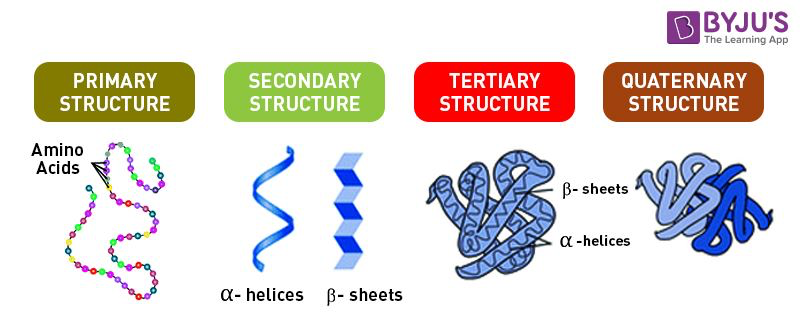
Proteins are made of chains of amino acids. There are 20 total, and nine are "essential," meaning your body can’t make them—you have to eat them. A "complete" protein contains all nine of these essential amino acids in sufficient amounts.
Why they matter for body comp: Complete proteins are the most effective at triggering Muscle Protein Synthesis. They are the "gold standard" for post-workout recovery.
- Whey Protein:
- The Profile: A dairy-based protein that is rapidly digested.
- The Application: Because it hits the bloodstream fast, it’s perfect for the "anabolic window" immediately after a workout. It quickly floods muscles with amino acids to stop muscle breakdown and start repair. If you want to maximize muscle growth, this is your go-to.
- Casein Protein:
- The Profile: Also dairy-based, but digested very slowly (it gels in your stomach).
- The Application: Think of this as the "time-release" capsule. It provides a slow, steady drip of amino acids over several hours. This makes it ideal as a nighttime snack or before a long period without food to prevent muscle breakdown (catabolism).
- Whole Foods (Chicken, Beef, Eggs, Fish):
- The Profile: Nutritionally dense, complete proteins packed with vitamins (like B12) and minerals (like iron and zinc).
- The Application: These should form the foundation of your diet. They build the base level of amino acids needed for daily maintenance. Fatty fish like salmon also provide Omega-3s, which can help reduce inflammation and improve recovery.
Category 2: The Incomplete Proteins (Plant-Based)
Best for: Overall health, fiber intake, and sustainable energy.
Most plant proteins are "incomplete," meaning they are low in one or more of the essential amino acids (often the muscle-building branch chain amino acids, or BCAAs). However, this doesn't mean they are bad for body composition.
Why they matter for body comp: They usually come packaged with fiber and complex carbs, which aid digestion and provide steady energy for workouts. They also tend to be lower in calories and saturated fat, which can help create the calorie deficit needed for fat loss.
- Soy (Tofu, Edamame, Tempeh):
- The Profile: The exception to the rule. Soy is a plant-based complete protein.
- The Application: A fantastic option for vegetarians and vegans. It’s versatile and contains all the essential amino acids needed for muscle repair.
- Legumes (Beans, Lentils) & Grains (Rice, Quinoa):
- The Profile: Legumes are high in lysine but low in methionine. Grains are low in lysine but high in methionine.
- The Application: This is where "complementary proteins" come in. You don't need to eat them at the exact same meal, but eating rice and beans throughout the day ensures your body gets a complete amino acid profile to build muscle. Quinoa is a pseudo-grain that is also a complete protein, making it a nutritional powerhouse.
Category 3: Collagen
Best for: Joint health, skin, and gut repair (a supporting role).
Collagen is a unique protein. It is technically incomplete because it is low in the amino acid tryptophan, but it is incredibly high in glycine, proline, and hydroxyproline.
Why it matters for body comp: Collagen won't build muscle the way whey or chicken will. However, if you are lifting heavy weights to change your body composition, your joints, tendons, and ligaments take a beating. Supplementing with collagen (specifically Type I and III) can support connective tissue health, keeping you in the gym and out of the doctor's office.
How to Strategize Your Protein Intake
Knowing the types is one thing; using them is another. Here is a simple "periodization" strategy for protein based on your goals:
1. The Post-Workout Window (The Builder)
- Goal: Rapid repair and growth.
- Best Choice: Fast-acting complete protein. A whey protein shake or a serving of lean chicken/fish.
- Why: You need to spike those amino acid levels quickly to flip the switch from "muscle breakdown" to "muscle building."
2. Between Meals & Before Bed (The Protector)
- Goal: Prevent muscle breakdown and keep you full.
- Best Choice: Slow-digesting protein. Casein (like Greek Yogurt or a casein shake) or a high-fiber plant protein.
- Why: A steady drip of amino acids acts as a shield, protecting your hard-earned muscle while you sleep or go hours between meals. This is also crucial for fat loss, as it staves off hunger.
3. The Foundation Meals (The Sustainers)
- Goal: Hit your daily protein target (generally 1.6g - 2.2g per kg of body weight).
- Best Choice: Whole food sources. Eggs at breakfast, chicken at lunch, salmon at dinner.
- Why: Whole foods provide a nutrient density that supplements cannot replicate. They are the pillars that hold your body composition goals up.
The Bottom Line
If you want to change your body, you need to pay attention to protein. Aim for a variety of sources to cover all your bases: use whey for rapid post-workout recovery, casein for long-lasting protection, whole food meats and fish for micronutrients, and plants for fiber and long-term health.
By matching the type of protein to the time of day and your specific goal, you turn a simple nutrient into a powerful tool for sculpting the physique you want.
Proudly powered by WordPress